
Arrests.org VA – Search Virginia Arrest Records
Arrests.org VA provides a clear way to search Virginia arrest records using publicly available law enforcement data. The platform helps users review arrest details, booking dates, charges, and related jail information linked to counties across Virginia. By organizing records in a searchable format, Arrests.org VA supports quick access for people researching recent arrests, verifying public information, or reviewing case-related details within the state.
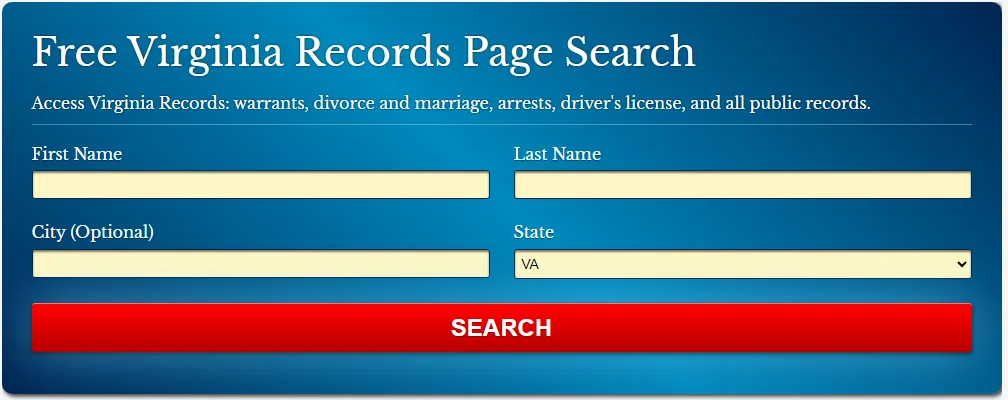
Search Virginia arrest records through Arrests.org VA to locate up-to-date arrest data connected to local jails and county agencies. Users can look up records by name or location to review mugshots, custody status, and basic arrest summaries. This resource focuses on transparency and ease of access, making it useful for background research, legal awareness, and public record reference across Virginia.
What Is Arrests.org VA and How It Works
Arrests.org VA is an online platform that displays Virginia arrest records collected from public law enforcement sources. It allows users to view arrest reports, booking details, and jail data across multiple counties in one place.
Arrests.org Virginia functions as a centralized listing site rather than a government agency. It gathers publicly released law enforcement records VA authorities publish after an arrest occurs. These records often come from sheriff’s offices, county jails, and local police departments across Virginia. The platform organizes this data by name, county, and booking date so users can review arrest-related details without filing formal record requests.
How the Arrests.org Virginia Database Collects Data
The Arrests.org Virginia database pulls arrest reports that Virginia agencies release as part of public record practices. Most counties share booking logs or daily arrest lists through official systems. Arrests.org compiles these feeds and displays them in a searchable format.
Common data points shown include:
- Full name of the arrested person
- Booking date and time
- Arresting agency
- Charges filed at booking
- Mugshot image, when released by the county
- Custody or booking status
This data reflects booking events rather than court outcomes. Charges listed at arrest may change later through the legal process.
How Information Appears on Arrests.org VA
Records appear once a local agency releases them publicly. Timing differs by county, so some arrests post within hours, then others take longer. Larger counties often update jail logs several times per day. Smaller jurisdictions may update less often.
Key points users should know:
- Arrests.org VA shows arrest history, not convictions
- Juvenile records usually remain hidden
- Sealed or expunged records do not display
- Removal timing depends on county policies
Role of Law Enforcement Records VA
Law enforcement records VA agencies publish follow state public record rules. Arrests.org only displays data already released by these agencies. The site does not create records or modify charges. It mirrors public booking data in a single viewing format.
Virginia Arrest Records Explained
Virginia arrest records show details recorded at the time law enforcement takes someone into custody. These records support a VA arrest records search by displaying booking data, charges, and detention status across counties.
Virginia arrest records document an arrest event, not a final court decision. They come from local police departments, sheriff offices, and county detention centers. Each record reflects information collected during booking and entered into detention systems. This data later feeds public listings and search platforms.
What Information Do Virginia Arrest Records Contain
Virginia arrest records follow a standard structure used by many law enforcement agencies. Data appears shortly after booking once an agency releases it publicly. For example, larger counties post daily logs, while smaller counties update less often.
A typical record may include:
- Full legal name
- Date and time of arrest
- Booking location
- Arresting agency
- Filed charges
- Mugshot, if released
- Custody or release status
These entries create a snapshot of detention records Virginia agencies maintain during intake. Arrest history in Virginia listings may show multiple entries for repeat bookings, each tied to a separate date.
How VA Arrest Records Search Works
A VA arrest records search pulls booking data from county jail systems and police feeds. Search results often filter by name, county, or booking date. This process helps users review arrest activity without contacting each agency.
Search results reflect what agencies publish. Records may appear quickly in some counties, then slower in others. Charges shown reflect initial booking details and may later change during court review.
Key points users should know:
- Arrest records differ from conviction records
- Charges may change or drop after booking
- Release may occur within hours or days
- Juvenile records rarely appear
Arrest History, Virginia vs Detention Records, Virginia
Arrest history in Virginia refers to a person’s visible booking entries across time. Detention records in Virginia focus on current custody details, such as housing location or release status. A person may have an arrest history listed without being held in custody.
How To Search Arrests.org VA by Name
A Virginia arrest lookup by name allows users to view arrest data linked to a specific person across counties. Arrests.org VA displays arrest data by name, Virginia agencies release after booking.
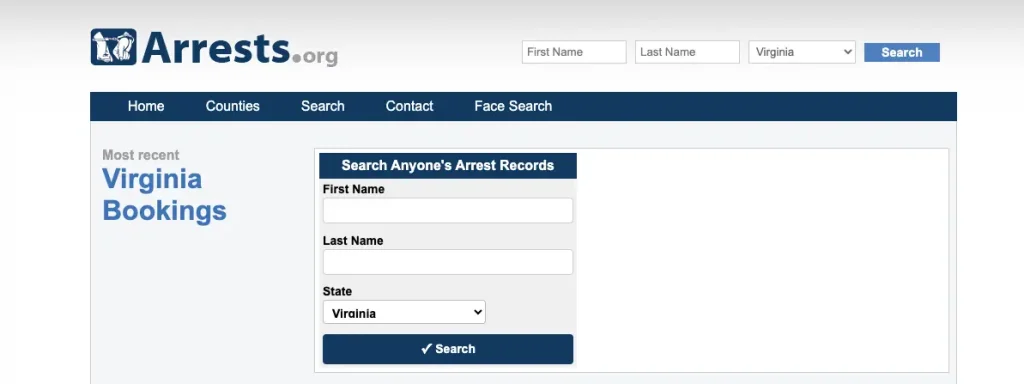
Searching by name remains one of the fastest ways to review arrest-related records. The process focuses on booking entries rather than court outcomes. Results depend on what each county publishes and how often it updates its records.
Steps Used for a Virginia Arrest Lookup by Name
The name-based search process follows a simple flow. Users enter a first and last name into the search field, then review matching results pulled from county systems. Some listings appear quickly, then others take time based on agency release schedules.
Typical steps include:
- Enter the full legal name
- Review matching profiles
- Select a record to view details
- Check the county and booking date
Search results may show several entries for common names. Middle names or initials help narrow results when available.
Reading Arrest Data by Name, Virginia Listings
Each result page displays the booking details that Virginia agencies publish at intake. These entries help users confirm identity and timing. Records may look similar across counties, yet small format differences exist.
Common fields shown include:
- Arrest date and time
- County or city jail
- Charge info at booking
- Booking number
- Custody status
Charge info reflects what officers listed during booking. Charges may change later through court review, yet the initial arrest entry often remains visible.
Tips for More
Accurate Name Searches
Search accuracy depends on spelling and timing. Some counties delay posting new records, so recent arrests may not appear immediately. Name variations can also affect results.
Helpful search tips include:
- Try full names, then partial names
- Check nearby counties for border-area arrests
- Review booking dates to confirm identity
Recent Arrests in Virginia
Recent arrests in Virginia refer to booking records released shortly after someone enters custody. These listings show county jail bookings that VA agencies publish, along with custody status and Virginia details.
Recent arrest records update based on how each county reports new bookings. Larger jails often post several updates daily. Smaller facilities may post fewer updates, yet records still follow the same booking process.
How Recent Arrests in Virginia Appear Online
Recent arrest listings come from county detention systems after intake processing. Once staff complete booking, basic arrest details enter public logs. Then those entries appear on arrest listing platforms that collect public jail data.
Common details found in recent arrest entries include:
- Name of the arrested person
- Booking date and time
- County jail location
- Filed charges at booking
- Custody status, Virginia listing
Some counties post arrest data within hours. Others release logs at set times each day. At the same time, posting schedules vary by staffing and system setup.
County Jail Bookings, VA, and Update Timing
County jail bookings VA records reflect intake activity rather than court actions. Booking happens after arrest processing, fingerprinting, and intake review. Once complete, the jail logs the event.
Several factors affect update timing:
- Jail system refresh schedules
- Staff workload
- County reporting rules
- Weekends or holidays
So a delay does not mean an arrest did not occur. It often reflects posting cycles.
Reading Custody Status Virginia Listings
Custody status Virginia fields help explain whether someone remains held or has been released. Status updates change as cases move forward.
Common custody terms include:
- Held in custody
- Released on bond
- Transferred to another facility
- No longer detained
Virginia Jail Records and Booking Data
Virginia jail records document people held in county or city detention facilities after arrest. These records show booking activity, inmate intake VA details, and basic detention status shared by local jails.
Virginia jail records begin at the intake stage. Once officers deliver someone to a detention facility, staff complete the booking steps. That intake process creates detention facility records used across jail systems statewide. These records focus on custody events rather than court rulings.
How Virginia Jail Records Are Created
Jail records form during inmate intake VA procedures. Staff verify identity, record charges, and assign housing. After intake, the jail logs the booking into its record system. Public listings appear after the agency releases the data.
Common booking data fields include:
- Full legal name
- Booking number
- Date and time of intake
- Detention facility name
- Filed charges
- Housing or custody status
Virginia jail records show who entered custody and where they are held. They do not show guilt or case outcomes. Arrest listings may exist without long-term detention.
What Detention Facility Records Show
Detention facility records track custody status over time. These records update if someone transfers, posts bond, or leaves custody. Each update reflects jail activity rather than court decisions.
Typical detention details include:
- Held in the county jail
- Released after booking
- Transferred to another facility
- Awaiting court appearance
Jail systems update records on different schedules. Large facilities refresh logs several times per day. Smaller jails may update once daily or less often.
Differences Between Jail Records and Court Data
Virginia jail records focus on custody, not trial results. Court systems handle charges after booking. So jail listings may stay visible even after release.
Reviewing jail records helps confirm booking events and custody location. Court records provide case progress later. Reading both record types together gives a clearer arrest-related context across Virginia detention facilities.
Virginia Mugshot Search by County
A Virginia mugshot search shows booking photos released by county jails after an arrest. Mugshots by county Virginia listings depend on local jail release rules and posting schedules.
Mugshot records come from county detention facilities that choose to publish booking photos. Each county controls how and when it releases these images. Some counties post mugshots quickly after intake, yet others delay or restrict photo visibility.
How Virginia Mugshot Search Works by County
Virginia does not follow one statewide system for mugshot release. Each sheriff’s office or jail decides what appears online. Arrest listing platforms collect these county-level releases and display them in one location.
Common details shown with mugshots include:
- Booking photo taken during intake
- Full name
- Booking date
- County jail
- Charges listed at booking
Mugshots connect to booking events rather than court outcomes. A photo reflects custody at intake time only. Release or case changes do not remove images automatically.
Why Mugshots Vary Across Virginia Counties
Mugshots by county in Virginia, listings differ based on policy and resources. Urban counties often post photos daily. Rural counties may limit photo sharing or post fewer updates.
Factors that affect mugshot visibility include:
- County public record rules
- Jail system technology
- Staffing levels
- Local privacy policies
So one county may show full photo galleries, yet another shows none. This difference does not reflect arrest frequency.
How to Read Mugshot Listings Correctly
Mugshot listings work best when reviewed with booking data. Photos confirm intake, yet they do not show guilt or case results. Charges shown reflect arrest-day entries.
Helpful review tips include:
- Match mugshots with booking dates
- Confirm county location
- Check custody status updates
Mugshot searches help track arrest activity by county. They reflect public jail releases tied to booking events across Virginia.
County Jail Bookings Across Virginia
County jail bookings in Virginia show individuals who have recently entered custody across Virginia’s counties. These records compile information from sheriff’s office records, VA, and city jail logs for public review.
County jail bookings provide a snapshot of local detention activity. Each county and city maintains its own system for logging arrests, intake, and custody status. Platforms that aggregate this data make it easier to review booking details across multiple jurisdictions without contacting each office individually.
How County Jail Bookings Are Recorded
Jail bookings begin when law enforcement delivers someone to a detention facility. During intake, staff record the individual’s personal information, charges, and housing assignment. These details are then logged in county systems and, depending on local rules, may become part of public sheriff office records, VA, or city jail logs.
Key information typically included in jail bookings:
- Full name of the arrested individual
- Booking number
- Date and time of arrest
- Arresting agency
- Filed charges
- Current custody or release status
These entries reflect events at intake and provide a reliable view of who is currently held in custody.
Differences Across Counties and Cities
Each Virginia county handles booking records slightly differently. Larger counties may post updates multiple times daily, while smaller counties or cities might update logs once per day or less often. Some jurisdictions include detailed custody notes, while others only provide basic booking details.
Factors affecting posting include:
- County public records policies
- Staffing and resources at detention facilities
- Size and capacity of the jail
Understanding these differences helps users interpret booking records accurately.
Using County Jail Bookings VA Effectively
Reviewing county jail bookings provides insight into arrest activity by location. Users can track trends, confirm detention status, and reference arrest details for multiple jurisdictions.
Tips for effective use:
- Check updates regularly to capture recent arrests
- Compare booking details with arrest reports for context
- Note county-specific posting schedules for more accurate searches
County jail bookings, VA, combined with sheriff office records, VA, and city jail logs, create a comprehensive picture of detention activity across the state, making arrest monitoring more accessible and transparent.
Arrest Records vs Criminal Records in Virginia
Arrest records document when someone is taken into custody, while criminal records reflect the outcome of legal proceedings. A Virginia criminal records lookup provides access to offender records that Virginia agencies maintain over time.
Arrest records in Virginia show who law enforcement has detained, including booking details, charges at the time of arrest, and custody status. They do not indicate guilt or conviction. In contrast, criminal records track the legal history of an individual, including court rulings, convictions, sentences, and offender status.
Key Differences Between Arrest and Criminal Records
Understanding the distinction helps interpret public records correctly:
Arrest Records:
- Include booking information and arrest date
- List initial charges only
- Show custody location and status
- Do not reflect court outcomes
Criminal Records:
- Contain convictions, sentences, and case outcomes
- Include probation or parole status
- Track repeat offenses and offender records in Virginia
- May include expunged or sealed cases, depending on state policy
Arrest records often appear immediately after intake, while criminal records update as court cases progress. A Virginia criminal records lookup is typically conducted through official state databases, court systems, or authorized public record platforms.
Why Both Records Matter
Reviewing both arrest and criminal records provides a full picture of a person’s legal history. Arrest records verify booking events, while criminal records confirm legal results. Combining both allows employers, legal professionals, and researchers to cross-reference information for accuracy.
For example, someone may appear in an arrest log without a matching criminal record if charges were dropped. Similarly, criminal records reflect long-term legal outcomes even if an arrest occurred elsewhere. This distinction ensures users interpret offender records in Virginia correctly when evaluating public or official data.
Virginia Inmate Records and Custody Status
Virginia inmate records provide detailed information about individuals held in state and county detention facilities. Detention records in Virginia include current custody status, facility location, and booking information.
Inmate records document a person’s entry, housing, and release from custody. These records are maintained by sheriff offices, jails, and state correctional facilities, and they help the public, legal professionals, and family members track detention status accurately.
What Virginia Inmate Records Include
A typical Virginia inmate record contains key details collected during intake:
- Full legal name and aliases
- Booking number and arrest date
- Facility name and location
- Custody status and release date, if applicable
- Charges listed at intake
These details allow users to confirm who is in custody and understand the conditions of detention. Custody status updates regularly reflect transfers, releases, or court appearances.
Using Detention Records in Virginia Effectively
Virginia provides a reliable snapshot of inmate status. Users can search by name, facility, or booking date to track recent arrests or ongoing custody. These records also assist in monitoring offender history for legal or personal purposes.
By combining inmate records with arrest logs and booking information, a clearer picture of detention activity emerges. Understanding these records helps users interpret custody timelines and review legal activity accurately across Virginia correctional facilities.
Is Arrests.org VA Legal and Public
Arrests.org VA provides information sourced from official public arrest records that Virginia agencies release. These records are legal to view because state law allows public access under Virginia’s public access laws.
Arrests.org VA compiles booking details, jail records, and arrest logs from sheriff’s offices and local detention facilities. By collecting data already made available to the public, the platform operates within legal boundaries. Users can review arrest information without violating privacy or state law.
How Public Arrest Records Work in Virginia
Virginia law classifies most arrest records as public information once officially filed. Public access laws, VA defines which records can be shared and how citizens may request them. Typically, records include:
- Name of the individual arrested
- Booking date and facility location
- Charges filed at arrest
- Custody status
Certain information may remain restricted, such as juvenile arrests, sealed cases, or ongoing investigations. Arrests.org VA excludes sensitive details while presenting legally available data.
Legal Use and Limitations
Viewing arrest records is lawful for personal research, legal checks, or journalistic purposes. Users should note that these records reflect bookings, not convictions. Misuse of information, such as harassment or defamation, could result in legal consequences.
By following public access rules, Arrests.org VA provides transparency and helps the public stay informed. Combined with official sources, these records allow responsible monitoring of arrest activity across Virginia counties.
Data Accuracy, Updates, and Limitations
Arrest reports from Virginia provide valuable information, but users should be aware of update cycles and potential delays. Data accuracy depends on how quickly law enforcement records are refreshed and transmitted.
Arrest records are collected from multiple agencies, including county jails, sheriff’s offices, and city police departments. Each agency updates its system on its own schedule, which can result in temporary discrepancies. Platforms compiling this data aggregate it to offer comprehensive access, but short delays may occur between an arrest event and its appearance in the database.
Factors Affecting Data Accuracy
Several elements influence the precision of arrest reports in Virginia:
- Data refresh cycles: Most facilities update records daily, while some may update less frequently.
- Record delays: Administrative processing or reporting lags can postpone entries in public databases.
- Incomplete entries: Some records may lack detailed charges or custody notes until finalized by authorities.
By understanding these factors, users can interpret arrest records with caution and cross-reference multiple sources when necessary.
Limitations to Consider
Even though arrest records provide essential public information, they have inherent limits:
- Bookings vs. convictions: Arrest reports reflect custody and charges, not legal outcomes.
- Sealed or restricted records: Juvenile cases or sealed files may not appear.
- Changes over time: Charges can be reduced or dismissed, so older records might not reflect the current legal status.
Users relying on arrest reports in Virginia should combine them with official court or detention sources to ensure complete and accurate insights. Awareness of update cycles and limitations promotes responsible use of public records.
Common Reasons Records May Not Appear
Sometimes, a VA arrest records search may not return results due to reporting delays or restricted information. Missing records often occur because of name mismatches or sealed files.
Several factors can prevent records from appearing in public databases. A common issue is a name mismatch, where variations in spelling, aliases, or incomplete names prevent the system from locating a match. Users should ensure the full legal name is entered accurately to improve search results.
Another reason is sealed or restricted records. Certain arrests, such as juvenile cases or cases that were expunged, are not publicly available. Courts may limit access to these records to protect privacy, meaning they will not appear in standard searches.
Other potential causes include:
- Delayed reporting: Some arrest reports that Virginia agencies submit may take days or weeks to be updated online.
- Incomplete records: Pending charges or administrative errors can temporarily hide data.
- Jurisdiction differences: Records held at city or county levels might not integrate immediately into statewide databases.
By understanding these limitations, users can approach a VA arrest records search with realistic expectations. Verifying information with multiple sources, including official sheriff’s office or court records, helps ensure accurate results.
Frequently Asked Questions (FAQ’s)
This FAQ section offers clear answers about Arrests.org VA and how Virginia arrest records are collected, displayed, and accessed. It addresses common questions related to data sources, search options, record accuracy, and availability, helping readers set realistic expectations before reviewing specific details about the platform and its arrest listings.
What is Arrests.org VA?
Arrests.org VA is an online platform that compiles Virginia arrest records from law enforcement sources. It allows users to perform searches for recent arrests, view booking details, and check custody status in Virginia.
The platform collects publicly available data from county jails, sheriff’s offices, and police departments across Virginia. It provides details such as arrest dates, charges, and booking photos. Users can search by name or location, helping to locate arrest information quickly. However, some records may be delayed or restricted.
How accurate is the information on Arrests.org VA?
The website updates its data regularly but may have limitations due to data refresh cycles and reporting delays.
Arrest records in Virginia can sometimes be incomplete if law enforcement agencies have not submitted updates promptly. Users should cross-check with official sheriff office records in VA or court documents. While most entries reflect real-time arrests, certain cases, especially sealed records, will not appear to protect privacy.
Can I search by name on Arrests.org VA?
Yes, users can perform a Virginia arrest lookup using first and last names.
Accurate spelling is critical, as a name mismatch can prevent results from appearing. Searches return details like charges, booking times, and detention facility information. If results are not found, users may consider checking nearby counties or verifying spelling variations.
Are all records publicly available on Arrests.org VA?
Most arrest records in Virginia are public, but some are restricted due to privacy laws.
Juvenile arrests, expunged cases, and certain sealed records are withheld from public access. Additionally, some entries may take time to appear due to administrative delays. Users should understand these limitations when performing a VA arrest records search.
Why might an arrest record not appear in a search?
Records may be missing due to name mismatches, sealed files, or delayed reporting.
Other reasons include jurisdiction differences, pending court updates, or incomplete submissions from local jails. Checking multiple sources, such as county jail bookings, VA, and official court databases, can provide more comprehensive results. This ensures users have a clearer picture of an individual’s arrest history.